Cabo Verde vs Uruguay Tactical Preview: Last 5 Matches, Likely Formations and Key Battles | FIFA World Cup 2026
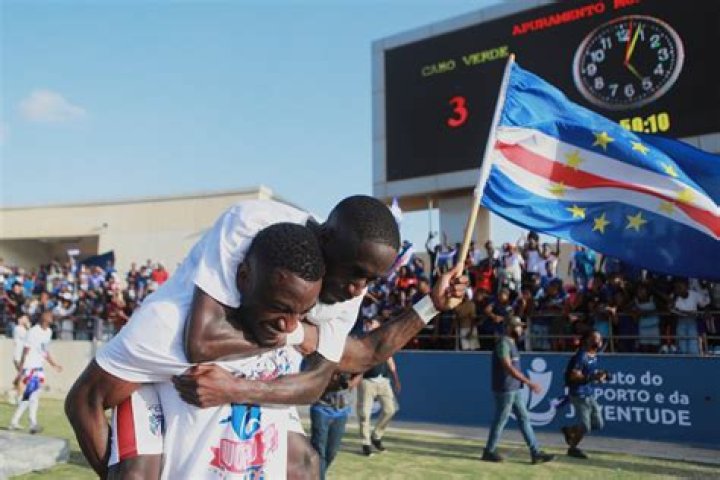
Uruguay vs Cabo Verde arrives with the official lineups still under lock and key, which means the honest preview lives not in team sheets but in patterns. The last five matches tell a sharper story than any pre-match rumor: Uruguay are searching for rhythm after a run of draws and one bruising defeat, while Cabo Verde enter with the look of a side growing into the big stage, compact enough to frustrate Spain and bold enough to score freely against lesser resistance.
Heading: Match Context Before the Lineups Drop
This FIFA World Cup meeting carries a fascinating contrast. Uruguay bring pedigree, defensive steel, and midfield authority, but their recent results have been more cautious than commanding. Cabo Verde, meanwhile, have spent their latest run proving they can move between low-block discipline and quick-strike attacking with surprising comfort.
Without confirmed elevens, the tactical forecast must lean on recent evidence. Uruguay’s last five matches show a team keeping games tight but not yet turning control into clean victories. Cabo Verde’s last five show a side with more goals, more momentum, and more willingness to attack space early.
Heading: Uruguay Last 5 Matches Analysis
Uruguay’s last five results read like a notebook full of unfinished sentences: Mexico 0-0 Uruguay, USA 5-1 Uruguay, England 1-1 Uruguay, Algeria 0-0 Uruguay, and Saudi Arabia 1-1 Uruguay. That is four draws and one defeat, with three goals scored and seven conceded.
The heavy loss to the USA is the outlier in scoreline, but it also exposes the central concern: when Uruguay’s press is bypassed and their midfield distances stretch, they can be attacked directly. The other four matches point in a different direction, showing a side capable of slowing the tempo, defending the central lane, and dragging opponents into controlled, low-margin football.
Heading: What Uruguay’s Form Tells Us
Uruguay are likely to prioritize balance over fireworks. The recent draws against Mexico, England, Algeria, and Saudi Arabia suggest a team trying to re-establish defensive order before opening the attacking throttle. Their biggest issue is not structure, but conversion and fluency in the final third.
If Federico Valverde, Manuel Ugarte, Darwin Nunez, Ronald Araujo, or Jose Maria Gimenez are involved, Uruguay’s plan should be familiar: dominate duels, compress midfield, push aggressively after turnovers, and use vertical runners to turn possession into pressure.
Heading: Cabo Verde Last 5 Matches Analysis
Cabo Verde’s last five matches offer a livelier trend: Chile 4-2 Cabo Verde, Cabo Verde 5-3 Finland, Cabo Verde 3-0 Serbia, Cabo Verde 3-0 Bermuda, and Spain 0-0 Cabo Verde. That sequence gives them three wins, one draw, and one defeat, with 13 goals scored and seven conceded.
The numbers carry two messages. First, Cabo Verde can score in bunches when the game opens. Second, their 0-0 draw with Spain shows they can also suffer without losing shape. That balance makes them awkward opponents for Uruguay, especially if they can keep the first half calm and force the South Americans to take risks.
Heading: What Cabo Verde’s Form Tells Us
Cabo Verde are not just a feel-good underdog in this matchup. Their recent wins over Finland, Serbia, and Bermuda suggest confidence in wide attacks, second-ball pressure, and quick combinations around the box. Against Spain, the clean sheet points to a disciplined defensive block that can absorb long spells without panic.
If players such as Ryan Mendes, Garry Rodrigues, Jovane Cabral, Jamiro Monteiro, Logan Costa, Roberto Lopes, or goalkeeper Vozinha are selected, Cabo Verde will likely lean on experience, compact defending, and moments of speed in transition.
Heading: Predicted Uruguay Formation
Uruguay are expected to set up in a 4-3-3, with the option of becoming a 4-2-3-1 when they need more attacking connection between midfield and the striker. The 4-3-3 suits their best habits: a combative midfield triangle, wide runners stretching the pitch, and a forward line built to attack crosses and loose balls.
The likely idea is to press Cabo Verde’s first pass, keep the full-backs high enough to pin the wingers, and let Valverde-style midfield running create overloads on the right or through the half-space. Against a compact opponent, Uruguay may need more patience than power.
Heading: Uruguay Tactical Keys
Uruguay must avoid turning possession into sterile circulation. Their recent run shows that clean sheets and draws are not enough if the front line lacks service. The key will be moving the ball quickly from midfield into wide channels before Cabo Verde’s block settles.
Set-pieces could also matter. Uruguay’s aerial profile gives them a route to goal if open-play chances are scarce, especially against a Cabo Verde side likely to defend deep for long spells.
Heading: Predicted Cabo Verde Formation
Cabo Verde are likely to use a 4-2-3-1 or a flexible 4-3-3, depending on how brave they want to be without the ball. Against Uruguay, the safer forecast is a 4-2-3-1: two midfield screeners protecting the centre-backs, wide players ready to counter, and one forward staying high to occupy Uruguay’s central defenders.
The draw with Spain suggests Cabo Verde can live without possession if the distances are right. They will probably defend in a mid-to-low block, close the middle, and ask Uruguay to beat them from wider areas rather than through the heart of the pitch.
Heading: Cabo Verde Tactical Keys
Cabo Verde’s best route is controlled disruption. They must slow Uruguay’s midfield rhythm, win first contact on clearances, and attack quickly before Uruguay’s defensive line resets. Their wide players will be central to the plan because Uruguay’s full-backs may leave space when pushing forward.
The danger is that Cabo Verde become too passive. If they defend on the edge of their box for too long, Uruguay’s pressure, corners, and crossing volume could eventually tilt the match.
Heading: Key Player Matchups That Could Decide the Game
Heading: Federico Valverde vs Cabo Verde’s Double Pivot
This is the engine-room duel. If Valverde is allowed to carry the ball through midfield, Uruguay will gain territory quickly and force Cabo Verde’s back line into retreat. Cabo Verde’s holding midfielders must block his forward lanes, not just chase him after he accelerates.
Heading: Darwin Nunez vs Logan Costa and Roberto Lopes
If Nunez starts, his movement behind the defence will test Cabo Verde’s centre-backs from the first whistle. Costa and Lopes must manage depth carefully: step too high and Uruguay can run behind; drop too deep and Uruguay can camp around the box.
Heading: Ryan Mendes or Garry Rodrigues vs Uruguay’s Full-Backs
Cabo Verde’s counterattack depends heavily on wide speed and timing. If Mendes or Rodrigues can isolate Uruguay’s advancing full-backs, Cabo Verde can turn defensive phases into genuine chances. Uruguay must counter-press quickly after losing the ball.
Heading: Manuel Ugarte vs Jamiro Monteiro
This matchup may decide whether Cabo Verde can connect defence to attack. Ugarte’s ball-winning could suffocate Cabo Verde’s transitions, while Monteiro’s composure between lines could help the African side escape pressure and launch counters.
Heading: Tactical Prediction
Expect Uruguay to have more of the ball, more territory, and more set-piece threat. Expect Cabo Verde to accept that reality without surrendering the match. The underdog’s best chance is to keep the game level deep into the second half, frustrate Uruguay’s forwards, and strike through a wide transition or dead-ball moment.
Uruguay’s concern is their recent lack of cutting edge. Cabo Verde’s concern is whether their defensive block can survive repeated pressure against a physically stronger opponent. This should be less of a free-flowing contest and more of a chessboard match: Uruguay pushing the pieces forward, Cabo Verde waiting for one square to open.
Heading: Final Word
With official lineups unavailable, the last five matches make the preview clearer rather than weaker. Uruguay look structured but not ruthless. Cabo Verde look confident, flexible, and dangerous when given grass to attack. The likely formations point to Uruguay in a 4-3-3 and Cabo Verde in a 4-2-3-1, with midfield control and wide transitions shaping the match.
If Uruguay score early, they can pull Cabo Verde out of their shell and control the night. If Cabo Verde survive the opening pressure, this FIFA World Cup fixture could become uncomfortable, narrow, and far more dramatic than the rankings suggest.
