New Zealand vs Egypt Tactical Preview: Last 5 Matches, Likely Formations & Key Duels | FIFA World Cup 2026
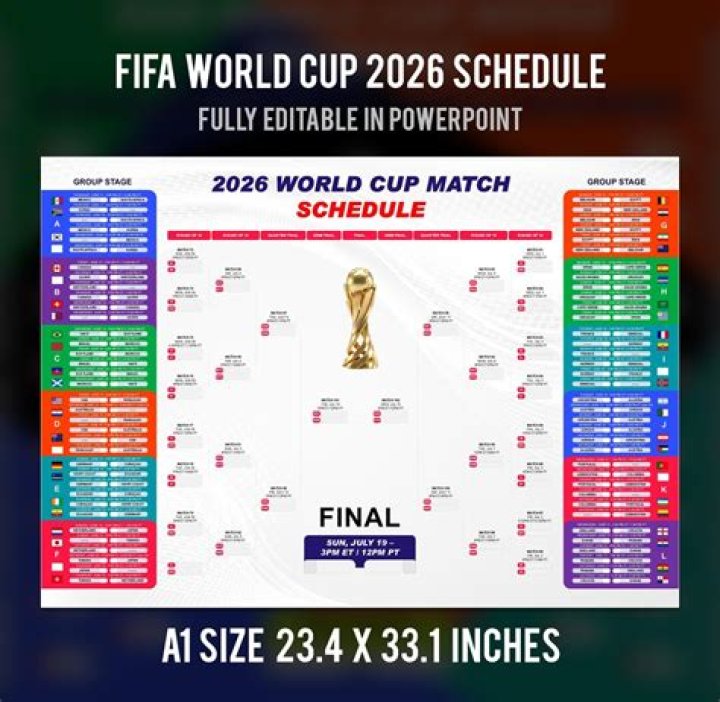
New Zealand vs Egypt arrives with the sort of tactical intrigue that makes a FIFA World Cup group-stage contest feel less like a fixture and more like a chessboard under floodlights. Official lineups are not yet available, so the cleanest way to read this match is through the evidence both teams have left behind across their last five outings: form, scoring patterns, defensive habits, and the matchups that could bend the evening one way or the other.
Heading: Recent Form Guide From the Last Five Matches
New Zealand’s last five matches have painted a restless picture. There has been promise, there has been bruising punishment, and there has been just enough attacking spark to suggest they will not arrive merely to survive. Their recent sequence reads: a 0-2 defeat to Finland, a 4-1 victory over Chile, a 0-4 defeat against Haiti, a narrow 0-1 loss to England, and a 2-2 draw with Iran.
That run gives New Zealand one win, one draw, and three defeats from five, with six goals scored and ten conceded. The headline is not difficult to spot: they can hurt teams when the game opens, but they have also been vulnerable when opponents attack quickly into space or force them to defend repeated waves.
Egypt, by contrast, have moved with a more controlled rhythm. Their last five results include a 4-0 win over Saudi Arabia, a 0-0 draw with Spain, a 1-0 win over Russia, a 1-2 defeat to Brazil, and a 1-1 draw with Belgium. That is a sturdy sample: two wins, two draws, one loss, seven goals scored, and only three conceded.
The Pharaohs have looked more comfortable in tight tactical contests. They have shown they can keep Spain scoreless, compete with Belgium, and still carry enough edge to put four past Saudi Arabia. For a tournament match where margins often become microscopic, Egypt’s recent defensive discipline may be their sharpest weapon.
Heading: New Zealand Tactical Outlook Without Official Lineups
With no confirmed XI available, New Zealand are likely to lean toward a pragmatic structure rather than a romantic one. A 4-2-3-1 or a compact 5-3-2 both make sense, depending on how much respect they give Egypt’s wide threat and transition speed.
The 4-2-3-1 would allow New Zealand to keep a central striker as a reference point, press in selective bursts, and support attacks through wide runners. But against Egypt, the safer version may be a 5-3-2 or 3-4-2-1, especially if the coaching staff prioritises protecting the channels and denying space behind the full-backs.
New Zealand’s recent results suggest their best path is not an open shootout. They conceded four against Haiti and two against Finland, but they also held England to a single goal and competed in a 2-2 draw with Iran. That tells us they are most dangerous when the game is compressed, physical, and slightly uncomfortable for the opposition.
Heading: Likely New Zealand Formation
Predicted shape: 5-3-2 or 4-2-3-1. Expect New Zealand to defend in a mid-to-low block, keep numbers around the penalty area, and search for direct passes into the front line. Their wide defenders will be asked to do two jobs at once: prevent Egypt’s wingers from isolating them, then break forward when turnovers appear.
If New Zealand use a lone striker profile, the role becomes crucial. The forward must hold the ball, draw fouls, and bring midfield runners into play. If they go with two forwards, it would likely be to pressure Egypt’s centre-backs and create second-ball battles from longer deliveries.
Heading: Egypt Tactical Outlook Without Official Lineups
Egypt’s likely approach should be more familiar: disciplined defensive spacing, fast attacking releases, and a clear desire to use their wide players as match-winners. A 4-3-3 looks the most natural fit, although a 4-2-3-1 could appear if they want an extra attacking midfielder between New Zealand’s lines.
In their last five, Egypt have conceded only three times, and two of those came against Brazil. That is not a small detail. It suggests the Pharaohs are comfortable defending for long spells without losing shape, and they are not easily dragged into chaos.
The 0-0 draw with Spain and the 1-1 draw with Belgium hint at a side capable of reducing elite opponents to slow circulation. Against New Zealand, Egypt may expect more possession, but the real question is whether they can turn control into clean chances before frustration creeps in.
Heading: Likely Egypt Formation
Predicted shape: 4-3-3 or 4-2-3-1. Egypt should look to build through midfield, shift New Zealand’s block from side to side, and then accelerate through wide combinations. Their full-backs may push high, but not recklessly, because New Zealand’s direct counterattacks remain a credible threat.
The midfield balance will matter. Egypt need one player to dictate tempo, one to screen transitions, and one to connect with the forward line. If they overload central areas successfully, they can force New Zealand’s defensive block to narrow, opening the flanks for crossing and cut-back opportunities.
Heading: Key Player Matchups That Could Decide New Zealand vs Egypt
Heading: New Zealand Centre-Backs vs Egypt’s Central Striker
This is where the match may first reveal its temperature. Egypt’s centre-forward, whether operating as a penalty-box finisher or a pressing trigger, will test New Zealand’s defensive concentration. New Zealand cannot allow easy layoffs into midfield or free headers from wide service.
If New Zealand’s centre-backs win the aerial exchanges and prevent Egypt from establishing a platform in the final third, they can drag the game into the kind of stubborn, low-scoring contest that suits them. If Egypt’s striker pins defenders and opens lanes for runners, the match could tilt quickly.
Heading: New Zealand’s Left Side vs Egypt’s Right-Wing Threat
Egypt’s most explosive route often comes from the right, where their star winger profile can isolate defenders, cut inside, and force panic around the box. New Zealand’s left-back or left wing-back will need help from the nearest midfielder, because one-v-one defending for 90 minutes is a risky business.
This duel is not simply about tackles. It is about body position, timing, and refusing to dive in. If New Zealand can show Egypt outside and crowd the second phase, they can blunt one of the Pharaohs’ most dangerous weapons.
Heading: Midfield Screen vs Second-Ball Battles
New Zealand will likely use direct passes at different points, especially if Egypt press high. That makes the second ball a battlefield. Egypt’s holding midfielder must be alert to loose knockdowns, while New Zealand’s central players need to arrive with aggression and accuracy.
The team that controls these ricochets will control the game’s emotional rhythm. Egypt want polished possession. New Zealand want disruption. The midfield scrap may decide which identity survives.
Heading: Chris Wood-Type Target Role vs Egypt’s Centre-Back Pairing
If New Zealand deploy a classic target-forward profile, Egypt’s centre-backs face a demanding evening. The challenge will be to stop the first contact without giving away cheap fouls in dangerous areas. New Zealand can make set-pieces a serious weapon if they earn territory.
Egypt must defend long balls with composure and avoid letting New Zealand turn hopeful clearances into structured pressure. For the underdog, one free-kick, one corner, one loose marking assignment can become a World Cup headline.
Heading: Tactical Themes To Watch
First, Egypt’s patience against New Zealand’s block. The Pharaohs may have more possession, but sterile control will not be enough. They need tempo changes, diagonal switches, and runners attacking the blind side.
Second, New Zealand’s transition quality. Their recent 4-1 win over Chile showed they can punish an open game. But against Egypt, they may receive fewer chances. The first pass after a turnover must be clean, brave, and forward.
Third, set-pieces. New Zealand will see dead-ball situations as a route into the match. Egypt, meanwhile, must treat every corner and wide free-kick as a serious defensive assignment, not a routine interruption.
Fourth, game state. If Egypt score early, New Zealand may be forced to abandon the compact plan. If New Zealand keep the game level into the final half-hour, pressure begins to move across the pitch like weather, and Egypt may have to take risks.
Heading: Match Prediction Based on Last Five Performances
The last-five-match evidence gives Egypt the cleaner profile. They have faced strong opponents, conceded little, and shown the defensive maturity required for tournament football. New Zealand, though, should not be dismissed. Their draw with Iran and narrow defeat to England suggest they can compete when their structure holds.
Still, Egypt look more balanced at this stage. Their ability to defend compactly while carrying high-level attacking threat gives them a tactical advantage. New Zealand’s best chance is to slow the match, frustrate the rhythm, and turn set-pieces into decisive moments.
Predicted tactical edge: Egypt.
Predicted score lean: New Zealand 0-1 Egypt or New Zealand 1-2 Egypt.
In a fixture where official lineups remain unavailable, the form book whispers rather than shouts. But it whispers clearly enough: Egypt arrive with the steadier pulse, while New Zealand arrive with the kind of rugged unpredictability that can make a World Cup match uncomfortable until the final whistle.
