Uruguay vs Cabo Verde H2H & Match Prediction – FIFA World Cup 2026
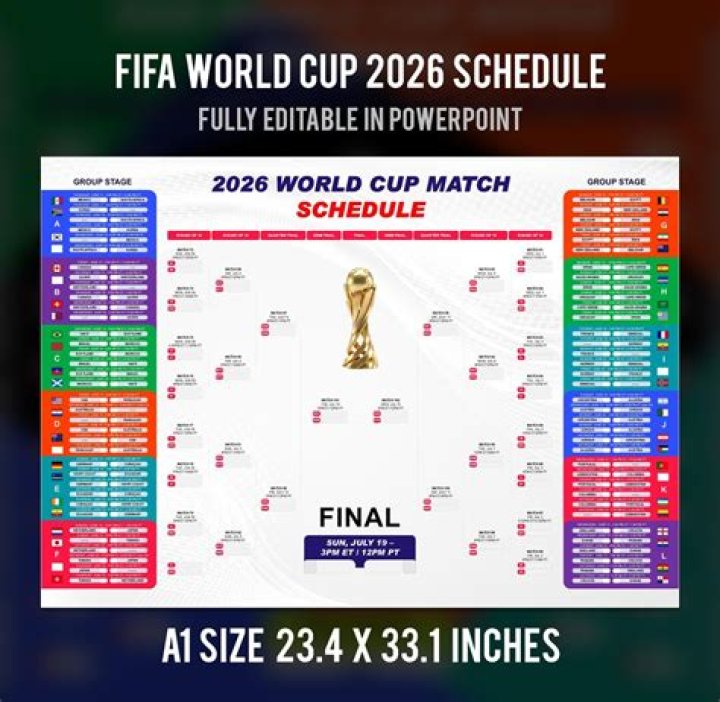
Uruguay vs Cabo Verde is shaping up to be one of the more intriguing early-stage clashes on the FIFA World Cup 2026 calendar — a contest that pits South American pedigree against African rising-tide football in what promises to be a tactically layered encounter. Before a single whistle blows, the numbers, the narratives, and the nuances of this matchup demand a closer look.
Head-to-Head Record: A Blank Canvas With Everything to Prove
Let's be direct about something that makes this particular fixture uniquely compelling from a historical analysis standpoint — there is no prior head-to-head record between these two nations. Uruguay and Cabo Verde have never squared off on the international stage in any officially recorded senior fixture. That is not a footnote. That is the story.
In football, a blank H2H slate removes psychological baggage from the equation entirely. Neither camp can point to a winning tradition over the other, no ghost of a previous defeat lingers in the dressing room, and no tactical blueprint built on historical pattern-matching applies here. This is zero-base football analysis — and it forces us to dig deeper into what each side brings to the table on their own merit.
What the Absence of H2H Data Actually Tells Us
When two nations meet for the first time at a tournament of this magnitude, the first fixture often becomes a defining reference point for decades. Think about how certain World Cup debuts between unfamiliar opponents have shaped continental football narratives. For Uruguay, this is business as usual at the top table. For Cabo Verde, this is potentially the biggest fixture in their footballing history — and that emotional weight can cut both ways.
First-time World Cup encounters often produce results that defy formbook logic. Underdogs ride the adrenaline of the occasion, while tournament heavyweights can be caught in transitional tactical phases. Both dynamics are entirely plausible here.
Uruguay: The South American Titans Carrying a Legacy
Uruguay need no introduction on the world stage. Four-time Copa América champions, two-time World Cup winners, and a nation that has consistently punched well above its demographic weight in global football for over a century. The Celeste carry into every competition a cultural belief that they belong at the very summit of the game.
Going into FIFA World Cup 2026, Uruguay's squad profile reflects a blend of battle-hardened veterans and a crop of technically refined forwards who ply their trade at elite club level across Europe. The defensive structure remains a cornerstone of their identity — disciplined, compact, and aggressive in transition. In the middle of the park, they retain the kind of control-oriented midfield intelligence that makes them difficult to break down and dangerous to gift possession to.
Uruguay's Tactical Identity Heading Into the Tournament
The Uruguayan setup leans heavily on a low-block defensive shape that transitions rapidly into vertical attacking sequences. Their wide players are instructed to stretch defenses horizontally, pulling shape out of position to create central overloads for their strikers. Against an opponent like Cabo Verde, who are likely to adopt a disciplined mid-block, Uruguay's patient build-up combined with the quality of their individual attacking moments will be the decisive factor to watch.
Set pieces are another area where Uruguay consistently exploit opponents. Their physical presence at both ends of the field during dead-ball situations is among the strongest in CONMEBOL-qualifying football, and at tournament level, these margins matter enormously.
Cabo Verde: The Blue Sharks Ready to Bite
Do not make the mistake of underestimating the Blue Sharks. Cabo Verde's trajectory in African football over the past decade has been one of the continent's most fascinating growth stories. Their qualification campaign demonstrated genuine tactical maturity, athletic intensity, and a team-first mentality that has become the hallmark of their setup under structured coaching.
Their squad draws primarily from the Portuguese football ecosystem — a heritage connection that has given their players exposure to high-tempo, technically demanding club environments. Several key personnel have experience in top European leagues, meaning this is not a group of players arriving at the World Cup as tourists. They are footballers who understand what elite-level pressure feels and looks like.
Cabo Verde's Strengths and Potential Vulnerabilities
Where Cabo Verde excel is in collective pressing, rapid counter-attacking transitions, and the ability to absorb prolonged periods of opposition possession without structural collapse. Their defensive unit is organized and physically imposing, and they will not be steamrolled by reputation alone.
However, their vulnerability lies in sustaining that intensity across ninety minutes against technically superior opponents who are patient in their build-up. Uruguay's experienced midfield will look to slow the tempo down deliberately, frustrating Cabo Verde's preferred high-energy rhythm and forcing them into prolonged defensive work that gradually erodes their attacking threat.
Form Analysis and Pre-Tournament Context
While H2H data is absent, the broader form trajectory of both sides provides meaningful analytical context. Uruguay's qualification and pre-tournament preparations have reinforced their identity as a compact, results-oriented side with multiple avenues to victory. Their squad depth is considerably greater, their exposure to high-stakes knockout football is incomparably more extensive, and their tactical vocabulary at manager level is broader.
Cabo Verde, by contrast, arrives on the back of a qualifying campaign that showcased real ambition. Their wins were earned through collective effort and organizational discipline rather than individual brilliance — which is actually a strength at a tournament where squad cohesion matters more than star power in the group stage.
Key Matchup Battles to Watch
The central midfield battle will define the tempo and rhythm of this fixture. Uruguay's control in the middle will be tested by Cabo Verde's pressing triggers, and whichever unit wins the midfield war will likely dictate the scoreline. Additionally, Uruguay's attacking line versus Cabo Verde's defensive shape is the technical duel that will generate the most tactical conversation — can the Blue Sharks contain Uruguay's forward craft across the full ninety minutes?
The other critical factor is psychological composure under pressure. Uruguay have been in these moments hundreds of times. Cabo Verde, at this level, are newcomers navigating the highest stage in world football. That experience gap, while intangible, is real and historically significant in first-time World Cup encounters.
Final Score Prediction: Uruguay vs Cabo Verde
Taking the full analytical picture into account — squad quality differential, tactical profiles, form trajectory, and the psychological weight of World Cup experience — the logical conclusion points clearly toward an Uruguay victory. This does not discount Cabo Verde's genuine qualities, but the structural and experiential gap between these two sides at this level is simply too significant to overlook.
Cabo Verde will make Uruguay work, keep the scoreline respectable, and may even create moments of genuine danger on the counter. But Uruguay's clinical edge in the final third, combined with their defensive solidity, should see them control the match from the midpoint onward.
Predicted Final Score: Uruguay 2 – 0 Cabo Verde
A controlled, professional performance from La Celeste. Uruguay take the points with a clean sheet, while Cabo Verde exit the fixture with experience, resolve, and lessons that may serve them well in subsequent group-stage fixtures. This is a result built on quality, consistency, and the weight of footballing legacy — exactly the kind of outcome that defines Uruguay's tournament-level identity.
Follow all the action, live scores, and in-depth match analysis exclusively on StreamKick — your ultimate destination for FIFA World Cup 2026 coverage.
